Job Market

I’m on the academic job market for 2026-27 and expect to defend my PhD in Biostatistics at Johns Hopkins University in March 2027. My research asks how to make data analysis trustworthy enough to act on, and I teach with the same aim.

Research

My dissertation, The Well-Made Analysis, develops methods for three questions that come up whenever someone analyzes data: when the work is finished, how much evidence a public dataset still holds after many studies have reused it, and how to secure the artificial intelligence (AI) agents that now run analyses themselves. I apply these methods in global health, where studies I’ve co-authored have been cited in more than 200 policy and guideline documents, and in biomedical data science. Research program · Publications

From My Papers
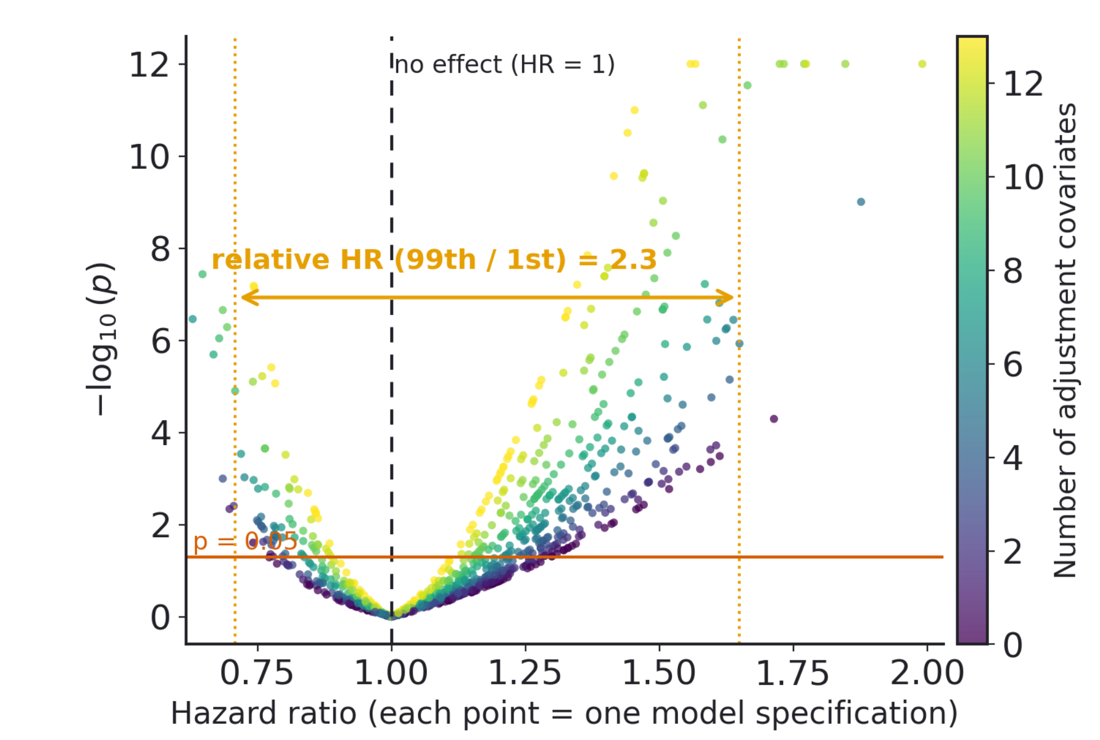
Volcano plot of hazard ratios across many model specifications, colored by number of adjustment covariates
One dataset allows many defensible analyses. Each point is one model, from my R package forkflow and the open-access book I wrote for it.
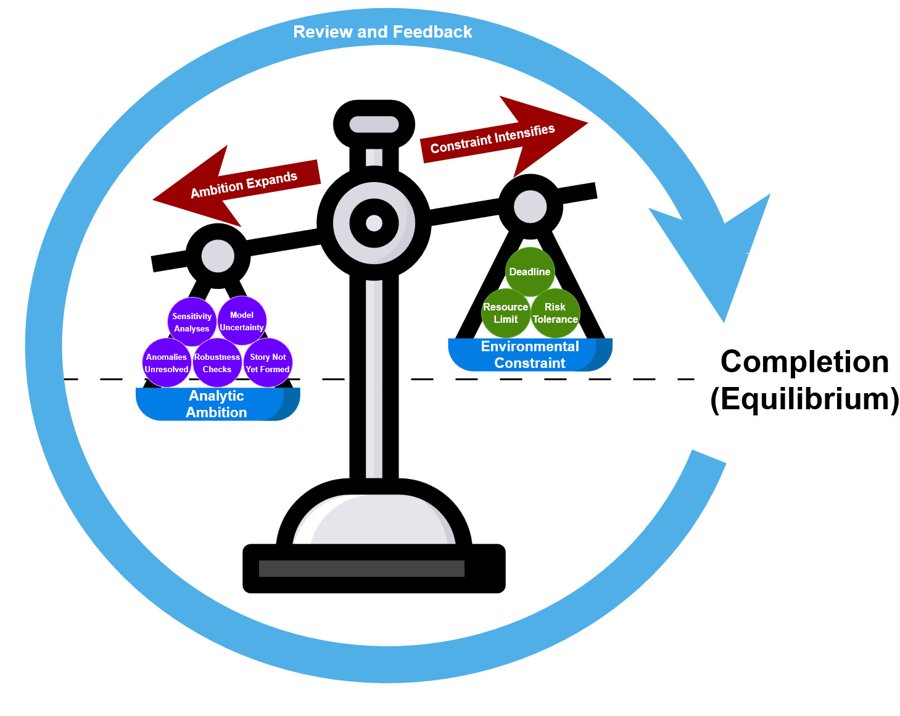
Balance scale weighing analytic ambition against environmental constraint inside a review-and-feedback loop
So when is an analysis finished? When ambition and constraint reach a balance, as I argue in “The End is Insight” (first author). More on completion.
Bar chart of recall by threat class: behavioral telemetry 34, 71, 36 and 2 percent; perimeter defenses 8, 3, 0 and 33 percent
AI agents now run analyses too. In 5,580 test sessions, behavioral telemetry I designed caught poisoned tool outputs that perimeter defenses missed (71% versus 3%) and, once enforced, stopped every secret leak. Goal drift slipped past it, as I report in “From Traditional to Agentic AI” (solo author). More on agent security.
World map of the leading cause of disability-adjusted life-years in each country and territory in 2021
Analyses that hold up can guide policy. Leading causes of health loss worldwide, from a Lancet study I co-authored, cited in 33 policy documents, including the Council of the European Union’s conclusions on cardiovascular health and the World Health Organization’s dementia guidelines (CC BY 4.0).
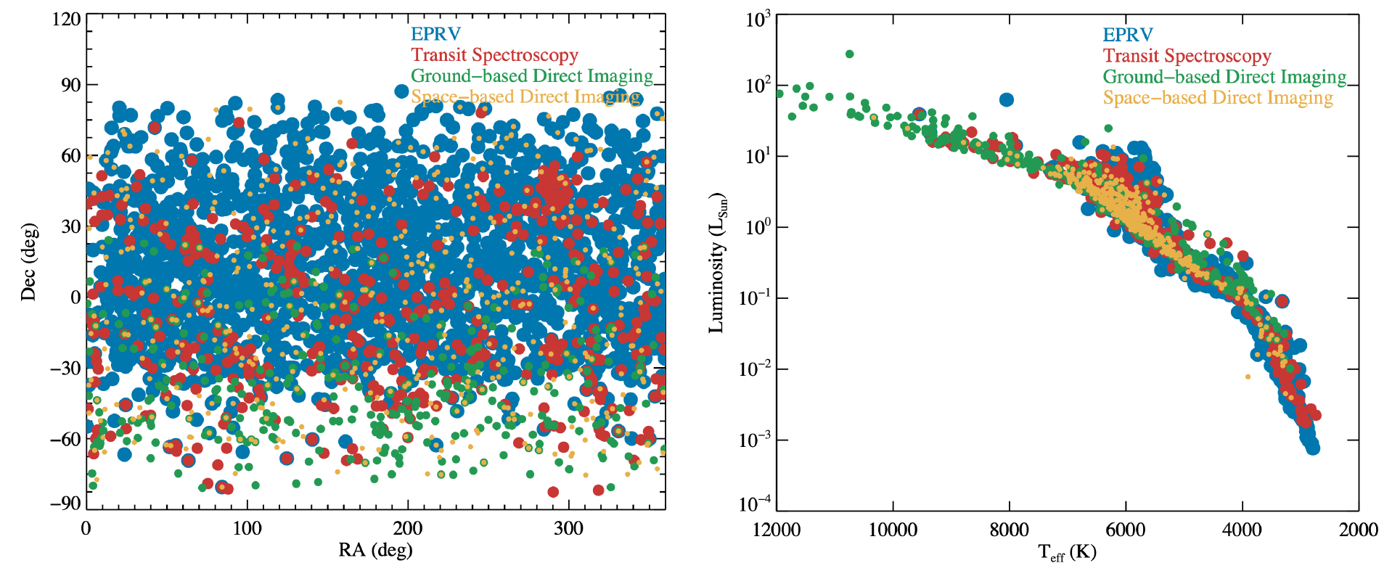
Two scatter plots of candidate exoplanet host stars by observing method
The same questions reach beyond health. Candidate host stars for future exoplanet missions, from a National Aeronautics and Space Administration (NASA) report I co-authored.

Teaching

I teach statistics and data science with an emphasis on judgment: what a model can support, and when the work is complete. The Johns Hopkins Department of Biostatistics gave me its 2026 Helen Abbey Award for Excellence in Teaching, and students selected me for a 2025 Teaching Assistant Recognition Award from the Bloomberg School, one of five across the school. I’ve held about 20 course appointments at Johns Hopkins University and the University of California, Irvine, most recently in data science and AI for public health. Teaching and mentoring